











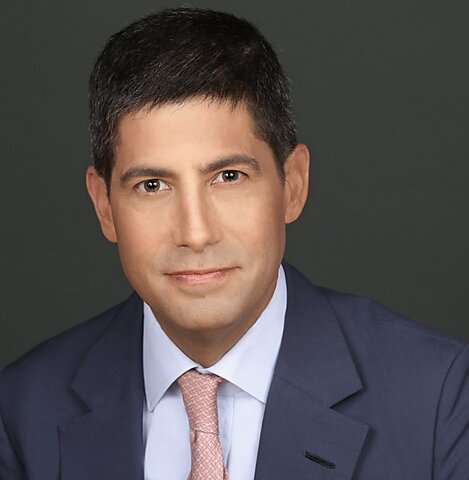
Jai Kedia
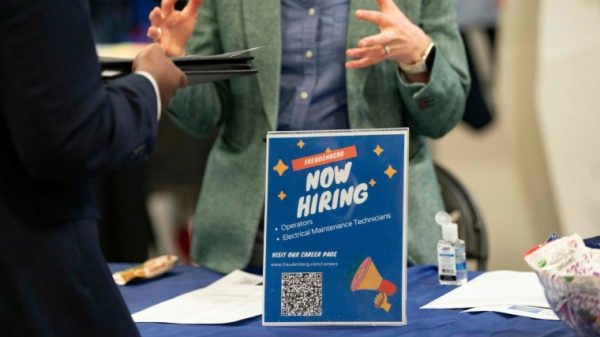
Americans are unhappy about the cost of living, and Washington knows it. Consumer prices have climbed nearly 25 percent in five years, and despite some moderation, inflation is still not back to its 2 percent target. It is clear that affordability will be at the forefront of political debates in 2026, but the proposed solutions—price controls, sector mandates, and new subsidies—miss the mark.
In fact, Washington does not even agree on what “affordability” really means. To economists, it’s fundamentally about real wages and purchasing power, a macroeconomic question. Part of that story is inflation—something that the Federal Reserve can influence through its policy actions. But voters are also frustrated by certain prices like housing, healthcare, and childcare that have risen for industry-specific structural, supply-side reasons that monetary policy cannot alleviate. Cato’s new Handbook on Affordability addresses both. Of course, the macroeconomic piece is essential, because no sector-level reform delivers lasting relief if the underlying price level keeps rising rapidly.
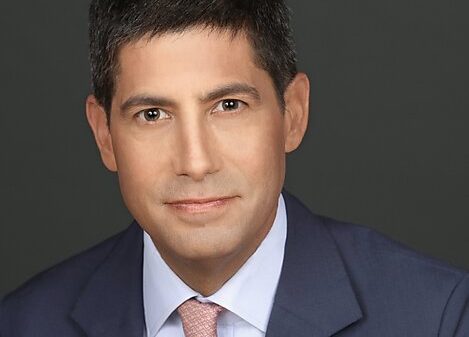
That makes Kevin Warsh’s confirmation hearing before the Senate Banking Committee directly relevant to the affordability debate. The next Fed chair will inherit an institution whose policy errors are an important reason Americans are still struggling with high prices. Warsh acknowledged as much, saying: “There’s probably no more pressing question than the cost of living.… We’re still dealing with the legacy of policy errors in 2021 and 2022. We need fundamental policy reforms to fix it.”
That answer was characteristic of the hearing’s better moments. When senators stuck to substantive policy questions, Warsh consistently presented himself as a regime change candidate, and at a time when the Fed badly needs serious reform, that posture is encouraging.
Several of Warsh’s specific positions were promising. He showed a clear understanding of the negative effects of quantitative easing, acknowledged that the Fed’s $6.7 trillion balance sheet needs to come down, and committed to reducing it in a deliberate, publicly communicated way. He correctly criticized the Fed’s mission creep and observed that the central bank performed better when it stayed focused on its dual mandate, free of climate, social, or financial-stability obligations. And in response to questioning from Senator Bernie Moreno, he flatly committed to keeping the Fed away from issuing a central bank digital currency (CBDC), calling it a “bad policy choice.” Each of these positions reflects exactly the kind of narrowing of the Fed’s footprint that the Handbook on Affordability argues is necessary.
The hearing’s main shortcoming was what it left unaddressed. Warsh spoke at length about the need for regime change and fundamental policy reforms, but offered little on how the Fed would constrain itself going forward. The 2021–2022 inflation episode was not just a bad call; it was a failure of an institution that enjoys enormous discretionary powers but used them badly.
Not that the Fed is solely to blame—Congress has equally facilitated the Fed’s increased discretionary authority. Real reform, as Norbert Michel and I argue in the handbook’s monetary policy chapter, requires structural limits on that discretion, ideally through a binding, rules-based monetary policy framework. The handbook also identifies several other reforms in the same vein, from ending interest on reserves to removing the Fed from bank supervision. None of these came up clearly at the hearing. That doesn’t make them any less important to getting monetary policy back on track.
To be clear, Warsh said many of the right things. The acknowledgment that the Fed bears responsibility for serious policy errors, the commitment to balance sheet discipline, the rejection of a CBDC, and the insistence that the Fed stay in its lane all suggest a nominee who understands the institution needs reform. The affordability crisis demands exactly that kind of reform. The harder question, which Warsh’s hearing did not fully answer, is whether he will accept the structural constraints needed to make those reforms stick as the next Fed chair.