









Scott Lincicome and Chad Smitson
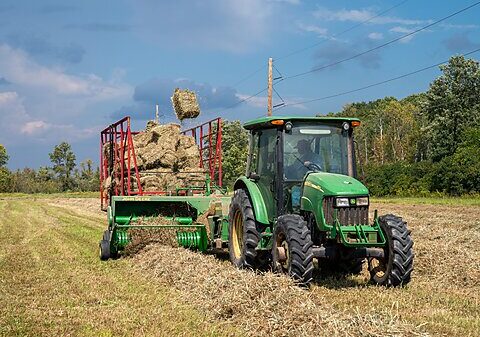
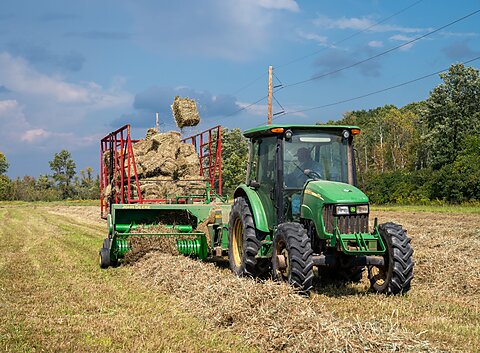
In my latest column for The Dispatch, I documented the billions of taxpayer dollars the Trump administration is handing to American farmers to paper over the costs of US tariffs and the Iran war—and to help with the midterm elections in rural states. In the last two weeks, for example, President Trump went to Kansas to announce an $8 billion “Harvest Fuel Relief” fund to offset high diesel prices, and Vice President JD Vance traveled to Nebraska to offer up another $573 million to boost fertilizer supplies. In both cases, the underlying problem was US government policy. And the government’s “solution” was—as one disgruntled Nebraska farmer put it—“more election candy.”
By my count, these new payoffs are part of a whopping $46 billion in “emergency” aid both Trump administrations have unilaterally handed farmers to offset policy-related costs since 2018—aid that comes atop roughly $67 billion in new farm subsidies approved by Congress:
For 2026 alone, direct government payments are on track to reach $55.4 billion (a record in nominal terms) and thus constitute about 30 percent of total farm income:
And these payments don’t even include other billions that the administration has delivered to farmers indirectly, via expanded biofuel mandates, a lower guest-worker wage floor, fertilizer grants, and tariff exemptions:
Many American farmers are struggling today, and compensating them has a certain appeal. Yet, as I wrote last September, much of today’s farmer crisis has been government-grown: trade and immigration policies raised their costs, while foreign trade retaliation closed overseas markets. Since then, the Iran war has added to the pain, inflating the price of fuel, fertilizer, and other necessities. But instead of fixing those policies, the administration and Congress have simply paid farmers off—at great expense to American taxpayers, the US economy, and our political system. Any honest examination of US tariffs and the Iran war must take these costs into account.
Read the full column here.