








Ryan Bourne and Nathan Miller
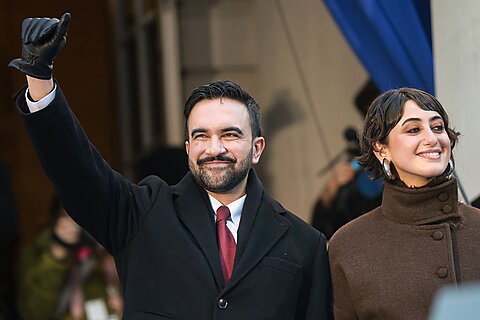
New York City Mayor Zohran Mamdani has just released details of how he plans to fulfill his campaign pledge to open five city-owned grocery stores across the city. On Monday, he released his “Recipe for Affordability” proposal and a call for grocery store operators to manage the coming stores. That confirms that rather than government-managed locations, these city-owned stores will really just be delivering a trumped-up subsidy.
The stores will carry a core basket of produce, meats, and other groceries placed on average 30 percent below market prices. But American supermarkets net just 1 to 4 percent profit margins on sales, so you can’t wring out a 30 percent discount just by forswearing profits. The proposal is therefore quite candid that the difference will be made up by taxpayers. It promises to “offer subsidies that will lower grocery prices” and admits that “sustaining these lower prices will require targeted public investment.”
That undisclosed subsidy total comes on top of $70 million to build out the stores, plus waived rent and property taxes on city-provided sites. This is a more disguised subsidy, of course. A public site used for a store is one that isn’t sold, leased, or used for other municipal functions, such as housing or schools. Costs will materialize when NYC must rent space for functions it could’ve put at the locations it owns or when it taxes New Yorkers for money it could’ve got by selling land.
Much media attention has focused on the distortive effects on competition. But five subsidized stores are unlikely to have a huge effect citywide. And because Mamdani says the stores won’t stock hot food, beer, or cigarettes, plenty of grocery and bodega revenue is insulated. Yet there will probably be localized undercutting of independent stores on thin margins in the city blocks immediately surrounding each government entity. Whether local consumers end up with more or fewer choices is ambiguous, depending on how neighboring grocers respond to the new government competitor.
The deeper problem is the distortions steep subsidies will bring over time. Lower out-of-pocket costs on popular staples will generate excess demand and arbitrage opportunities for resellers. That invites the familiar failure of subsidized retail—some combination of empty shelves, purchase limits, customers wasting time looking for goods, long lines, and black market resale. Over time, there will be pressure for more subsidies and enforcement costs to overcome these challenges. And there’s no guarantee, of course, that the people who get access to the subsidized goods will be the poorest families struggling to make ends meet.
Government ownership layers on further risks that subsidies will grow. The plan promises “best-in-class wages and benefits” and preferences for favored local vendors. That’ll inevitably add running costs at the same time Mamdani wants to lower final prices. Then there will be political reasons to favor certain suppliers. With voters on all sides—shoppers, employees, and wholesalers—the size of the grocery subsidies will tend to drift higher as the mayor tries to appease everyone. As Whole Foods co-founder John Mackey put it when I interviewed him earlier this year, these stores will be constrained only when they collide with Thatcher’s problem of running out of other people’s money.
Tellingly, the plan’s own diagnosis undercuts its solution. It blames high prices, in large part, on operating costs and the scale disadvantages that independent stores face. It also pledges to reduce regulatory burdens and streamline permitting so private grocers can operate more easily and cheaply. That’d be a real affordability improvement, and one Cato endorses in our own Handbook on Affordability, but it gilds the lily to pile on a new government-run grocery bureaucracy.
A lot of conservative commentators seem to expect these stores to quickly showcase the perils of socialism in eradicating abundance, à la Venezuela’s Mercal, but Mamdani’s small-scale experiment is far removed from nationalized supply chains. His five government-owned, privately managed stores, paired with vast subsidies to make managers whole, will more likely amount to an underwhelming and increasingly costly boondoggle. To the extent these stores make groceries cheaper for some, they’ll do so overwhelmingly by shifting costs onto taxpayers. It’s nothing new, just more subsidies.