











Jeffrey Miron
A key rationale for drug prohibition is the belief that outlawing drugs makes them less available and more expensive, thereby shrinking consumption.
Decades of evidence, however, suggest this impact is modest, partly due to the “waterbed effect”: enforcement efforts aimed at shrinking the market mainly cause it to shift, in various ways, without much impact on its overall size. Just as pushing down on one part of a waterbed merely forces the water somewhere else, rather than reducing the overall quantity.
Two recent news stories provide textbook illustrations. From the Washington Post,
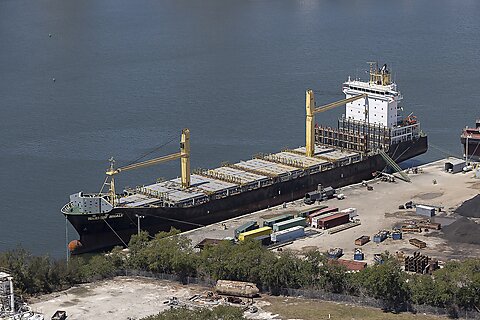
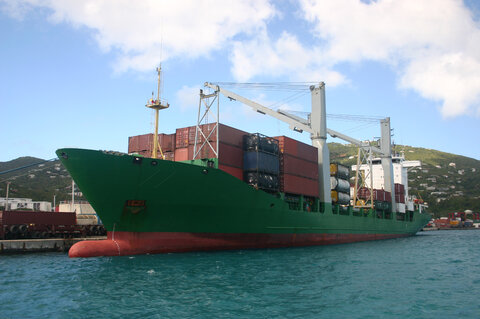
The Trump administration’s deadly military strikes on alleged drug trafficking boats have not reduced the amount of cocaine entering the United States, but they’re prompting criminal organizations to develop new strategies and tactics and undermining traditional investigative methods, according to a previously unreported assessment by the Drug Enforcement Administration, a closed-door congressional briefing and interviews with current and former U.S. and foreign officials.
In a recent assessment reviewed by The Washington Post, DEA analysts found the strikes had failed to affect the supply or price of cocaine in the United States and had led traffickers to diversify beyond go-fast boats and to avoid international waters, opting instead for larger boats and hemming close to coastlines, where U.S. forces are less likely to open fire. In a closed-door briefing last month, Pentagon officials told lawmakers the strikes in international waters off South and Central America had not reduced its purity.
And from the Financial Times,
In the battle for the seas, drug traffickers are often coming out on top — making Europe, in the words of the UN, the new “primary destination” for cocaine. The drug, once the preserve of rich European partygoers, has gone mainstream, with street prices falling by an average of 18 per cent between 2014 and 2024 while the products sold became 44 per cent purer, according to the EU’s drugs agency.
…
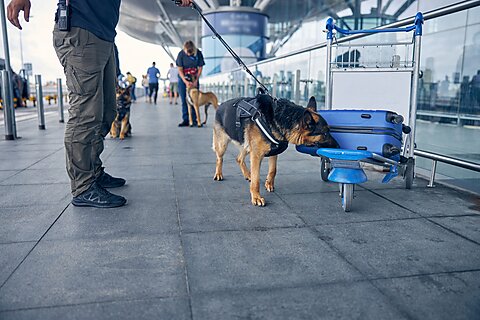
As authorities have stepped up interceptions at major ports, traffickers have kept ahead through sophisticated drop-offs at sea, enabled by encrypted communications, powerful speedboats, unmanned submersibles and GPS spoofing, which involves vessels faking their locations.
“You always have to stay up-to-date, because there’s always a new modus operandi,” says Jürgen Ebner, acting chief of Europol, the EU’s law enforcement agency. He warns of a “waterbed effect” — when authorities come down hard in one area it can just push problems somewhere else.
Exactly.
Cross-posted from Substack.