













Jeffrey Miron
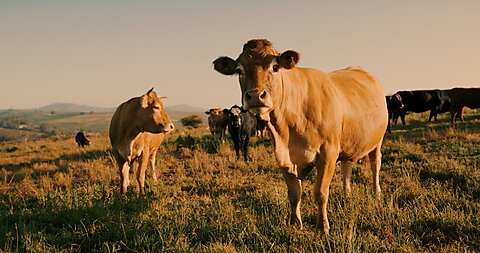
Brazil has struggled historically to prevent its cattle industry from contributing to deforestation.
One study, however, considers a new approach: Conduct Adjustment Agreements (TACs), under which cattle-buying plants are
forgiven for past violations but could be penalized for future livestock purchases from illegally deforested areas. … [B]efore TACs were introduced … slaughterhouse openings significantly reduced the area of natural forest … [because] ranchers increased their pastureland … through deforestation.
But when
an existing slaughterhouse signed a TAC, new slaughterhouse openings … did not result in additional forest loss or severe pasture degradation. Instead, ranchers increased the number of cattle on existing pastureland and earned a price premium for their production. Slaughterhouses that signed TACs … monitored ranchers more closely to avoid purchasing cattle from illegally deforested areas.
All in all,
[t]hese factors may have led ranchers to increase the productivity of existing pasture by improving management instead of expanding pastureland.
Cross-posted from Substack.