












Matthew Cavedon
On the night of November 14, 2020, Jacob Settle and his wife, Sophronia Whitehead, left their house to visit a friend. They exited through the back door into their yard, where their truck was parked. The yard was “pitch black” as the house did not have working exterior lights. As the couple prepared to leave, two Escambia County, Florida, police officers arrived to serve a warrant. The record contains conflicting accounts as to (1) what was visible from the backyard, (2) when the officers identified themselves, (3) whether Settle’s truck ever moved, and (4) whether Officer David Collier was even in the path the truck would have traveled when he fatally shot Settle.
In November 2022, Settle’s estate filed suit alleging that Collier violated his Fourth Amendment right to be free from excessive force. The district court denied Collier’s motion for summary judgment, but the Eleventh Circuit reversed based on its improper decision to resolve several factual disputes in lieu of a jury doing so.
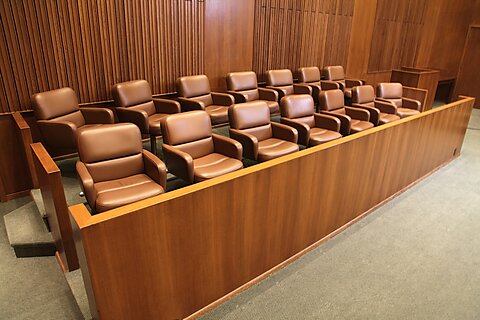
The Founders did not view the civil jury as a mere formality, but rather a safeguard for liberty and the last line of defense against a government that might otherwise answer only to itself. The Seventh Amendment enshrined that protection in the Constitution. Qualified immunity corrodes the right to trial by jury in civil cases by filtering out valid claims when a right isn’t “clearly established” by specific kinds of binding court precedent.
The injustices caused by qualified immunity are exacerbated when courts usurp the jury’s role as factfinder. In excessive-force cases—where the reasonableness of an officer’s conduct depends on what actually happened—factual disputes are routine. Facing them, a court’s task is not to supply the answers but only to ask whether a reasonable jury could find for the nonmoving party. This ensures that ordinary citizens decide whether official misconduct happened.
Decisions like the one below do more than just decide a case: they send a message about whose interests the law serves. The rule of law demands fairness and neutrality, yet qualified immunity makes courts complicit in excusing official misconduct. This ultimately makes policing more dangerous and harms the public.
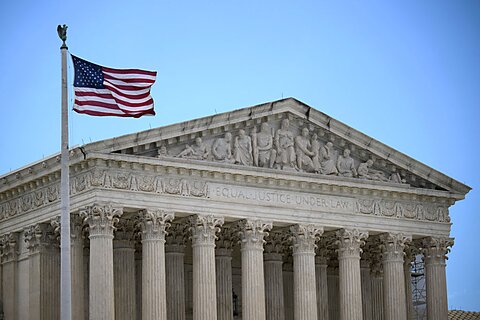
Cato filed an amicus brief urging the Supreme Court to review the case, reverse the Eleventh Circuit’s decision, and remand the case so that a jury of ordinary people—not a panel of three judges—can assess what happened the night Settle died.